Thinking about a fuseboard upgrade in Worthing? Learn when it’s needed, what’s involved, and how it improves safety in your home.
If you are living in a property in Worthing with an older fuseboard, it is worth understanding what that means for both safety and reliability.
Essentially, your fuseboard (also known as a consumer unit) is the control centre of your electrical system. If it is outdated, it may not provide the level of protection that modern homes require. Therefore, upgrading it is not just about compliance, but about ensuring your home is properly protected.
Many homeowners we speak to have either experienced nuisance tripping, are planning additional work, or simply want peace of mind after hearing about electrical safety concerns.
What Is a Fuseboard Upgrade?
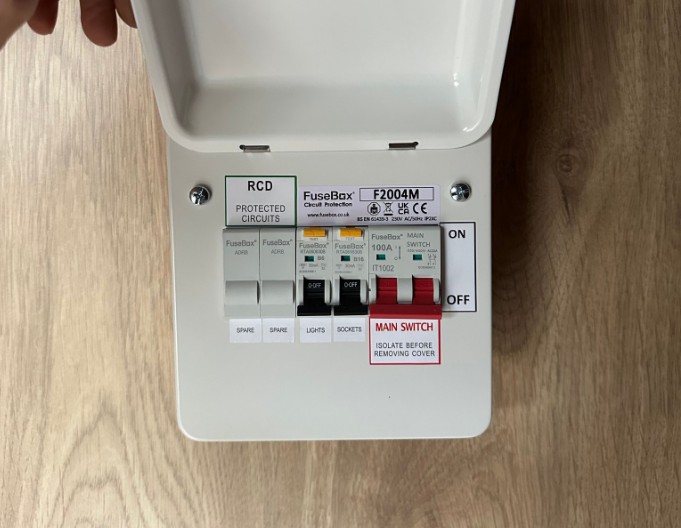
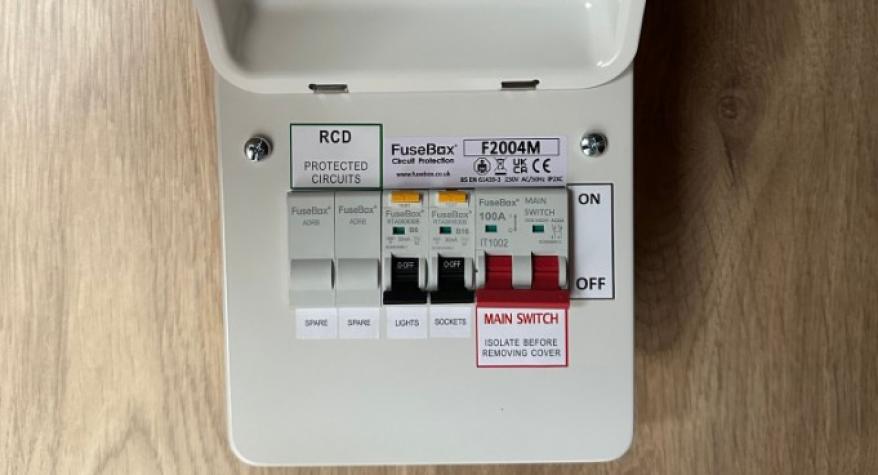
A fuseboard upgrade involves replacing an older consumer unit with a modern unit that meets current UK regulations.
Older boards often contain:
- Rewireable fuses
- Limited or no RCD protection
- No surge protection
Modern consumer units, on the other hand, include:
- RCBO protection (individual circuit protection)
- RCD protection (reduces risk of electric shock)
- Surge Protection Devices (SPD)
- Clearly labelled circuits
Essentially, the upgrade improves how faults are detected and isolated. Therefore, if an issue occurs, it is contained safely without affecting the entire property.
Signs You May Need a Fuseboard Upgrade
Here’s the thing. A lot of people only think about their electrics when something goes wrong. To be honest, there are usually signs beforehand.
You may need an upgrade if:
- Your fuseboard has rewireable fuses
- You have no RCD protection
- Circuits trip frequently
- You are planning renovations or extensions
- Your installation is over 20–25 years old
Alongside this, if you have recently purchased a property in Worthing, it is often sensible to have the system checked. Many homes still have older installations that do not meet current standards.
Why Fuseboard Upgrades Matter for Safety
Electrical safety has moved on significantly over the years.
Older fuseboards were not designed for:
- The number of appliances we now use
- Modern wiring regulations
- Sensitive electronics in today’s homes
Modern units are designed to detect faults far quicker and disconnect power in milliseconds. Therefore, the risk of electric shock and fire is significantly reduced.
For example, an RCBO will isolate only the affected circuit rather than shutting down the entire house. A fuseboard upgrade not only improves safety but also reduces disruption.
What Happens During a Fuseboard Upgrade?
A fuseboard upgrade is a structured process, not just a simple swap.
Typically, the process involves:
- Initial inspection – assessing the condition of existing wiring
- Isolating the supply safely
- Removing the old unit
- Installing the new consumer unit
- Testing all circuits thoroughly
- Certification and compliance checks
Essentially, the testing phase is just as important as the installation itself. This ensures that everything connected to the new board is safe and functioning correctly.
This is also why using a properly qualified electrician is critical.
Choosing the Right Electrician in Worthing
When it comes to fuseboard upgrades, trust matters.
Many homeowners have had poor experiences with trades in the past, which is understandable. Electrical work, particularly at the consumer unit, is not something that should be rushed or treated as a quick job.
A reliable electrician should:
- Explain what is required and why
- Carry out full testing, not just installation
- Provide certification on completion
- Communicate clearly throughout
Essentially, you are not just paying for the unit itself, but for the process, safety, and long-term reliability.
Common Questions About Fuseboard Upgrades
How long does a fuseboard upgrade take?
Most upgrades are completed within a day. However, this depends on the condition of the existing installation.
Will the power be off all day?
Power will need to be isolated during the work, but electricians will aim to minimise disruption where possible.
Do I need to upgrade if everything “still works”?
To be honest, this is a common question. Just because a system works does not mean it is safe by modern standards. Therefore, it is worth having it assessed.
Is certification provided?
Yes. A proper fuseboard upgrade will include certification confirming the work meets current regulations.
Conclusion
A fuseboard upgrade is one of the most important improvements you can make to your home’s electrical system.
Essentially, it brings your installation up to modern safety standards, improves reliability, and provides peace of mind.
If you are based in Worthing and are unsure about the condition of your current fuseboard, having it checked is a sensible first step. From there, you can make an informed decision based on clear and honest advice.